

Diasporic Sounds and Island Memories: A Nuyorican’s Take on Bad Bunny’s Love Letter to Puerto Rico
“DeBí TiRAR MáS FOToS” (“I Should Have Taken More Photos”), Bad Bunny’s sixth studio album, rang in the new year with sounds everyone in the Caribbean diaspora could recognize. Benito Antonio Martínez Ocasio, better known as Bad Bunny, has never been shy in his creative prowess and love for his home, Puerto Rico; this album is a testament to that. The 17-track album, complete with live instruments, was primarily recorded in Puerto Rico. The featured artists on the album, all of which are Puerto Rican, represent not just new-wave reggaeton but also a collection of different genres from Puerto Rico, such as salsa, urbano, plena, and bomba. As a Nuyorican, I was committing a cardinal sin by not listening to his five previous albums, but this album compelled me. I’m not one to judge an album by its cover; I care more about the content. However, this cover, while very simple, with two plastic white chairs and verdure in the background, is what drew me to the album in the first place. This image is reminiscent of the Long Island summers of my childhood, surrounded by white chairs and my very loud and equally proud Puerto Rican family.
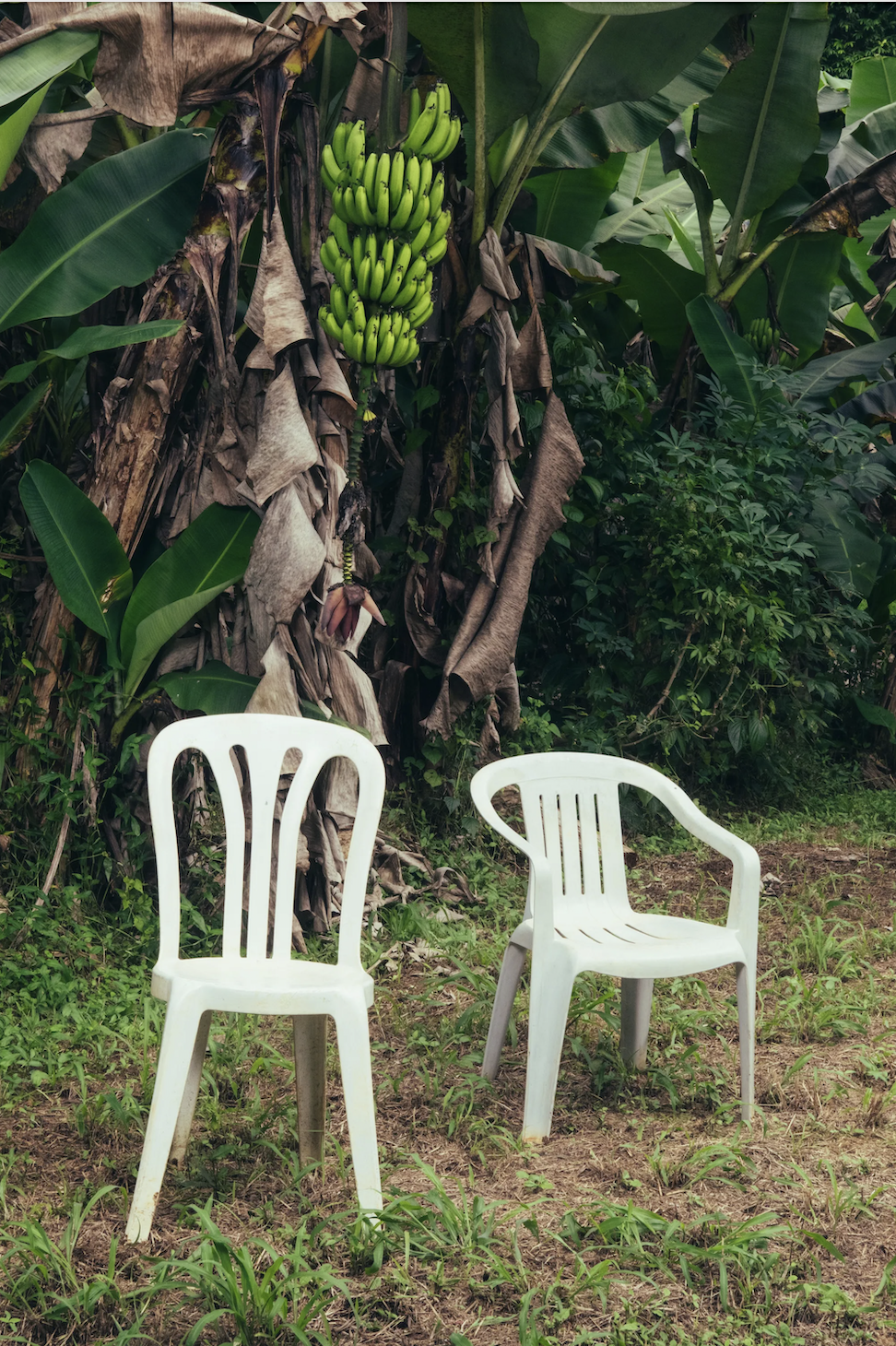
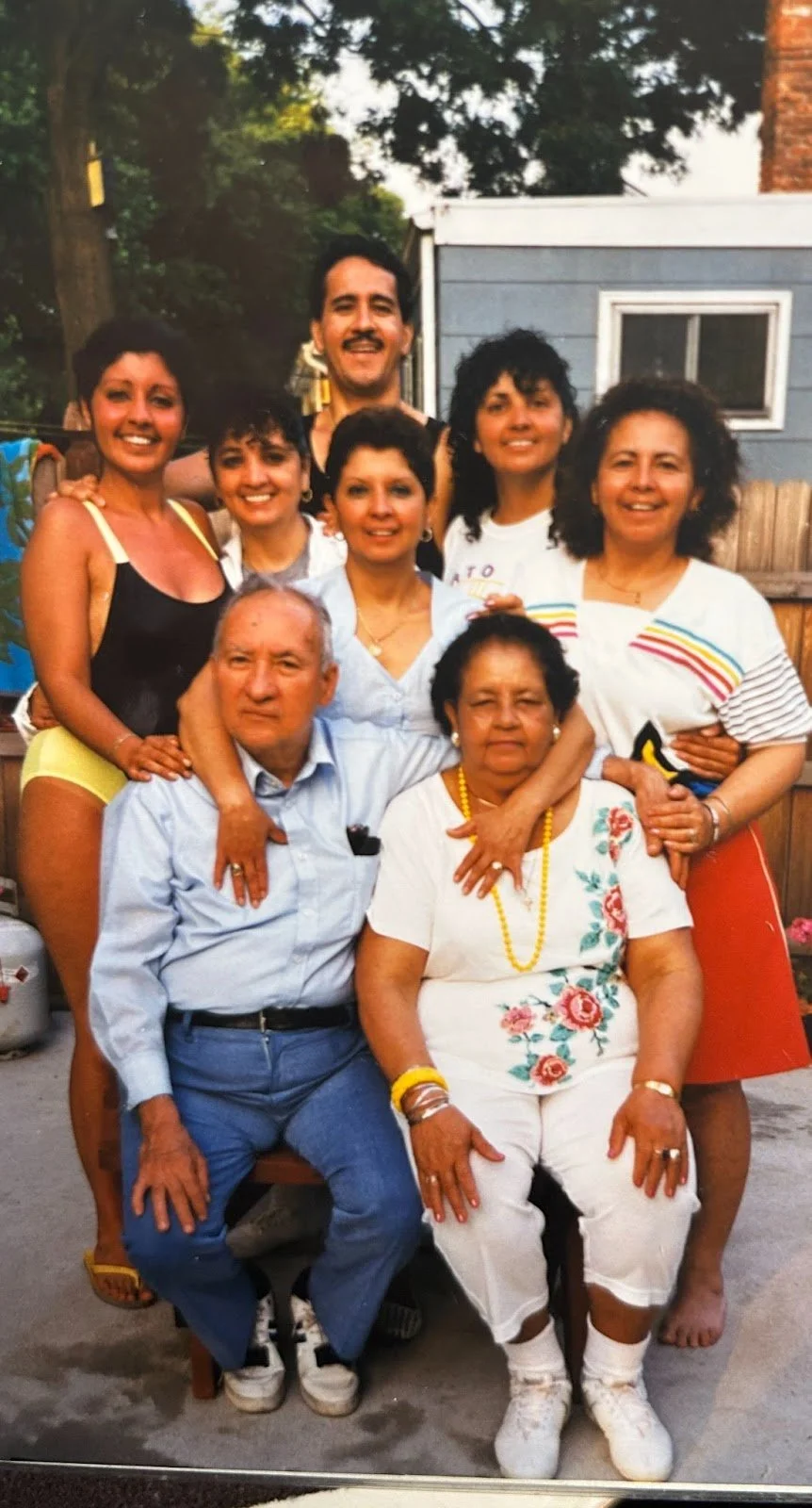
DeBí TiRAR MáS FOToS album cover and my family in the late 80s on Long Island. My great-grandparents sit in the middle on brown plastic chairs, surrounded by their children, with my grandmother second from the left.
The first track, NUEVAYol, is an homage to “Un Verano En Nueva York” (A Summer in New York) by El Gran Combo de Puerto Rico, an infamous Puerto Rican salsa song from the 70s. New York City and Puerto Rico are deeply connected and rooted in migration, political activism, and the Caribbean diaspora. Often settling in neighborhoods like Harlem, the Bronx, and San Juan Hill (now known as Lincoln Center), New York City became a Puerto Rican hub. Despite being a classic salsa hit, Bad Bunny puts his spin on it using his signature reggaeton beats, making the song a mixture of the old and the new genres of Puerto Rican music. It is a song suited for the summer, something you would hear blaring in the streets of Washington Heights during the ceremonial opening of a fire hydrant on an excruciatingly hot summer day.
However, on the third track, BAILE INoLVIDABLE (Unforgettable Dance), there is a shift in genre. The song, one of my favorites on the album, is a tribute to the songs I grew up listening to. A blend of modern Latin sounds and the classic brass instruments, rich percussion, and piano used in salsa, Bad Bunny shifts from his more recognizable trap and reggaeton sounds, cementing him as an incredibly versatile artist. Lyrically, he channels the yearning expressed in classic salsa tracks while maintaining a fresh and new sound. Upon its release, it was the “first salsa song to reach #1 on Apple Music US Charts, and it topped Billboard’s Latin Airplay Charts,” according to Genius. A historic song in its own right, Bad Bunny continues to bridge the gap between the younger and older generations impacted by the Caribbean diaspora on this track. Salsa music is a binding force that transcends cultural boundaries, influencing social movements and cultural identity; its legacy cannot be denied. Despite having enormous shoes to fill, Bad Bunny has secured his spot as another Latin force to be reckoned with.
The eleventh track, TURiSTA (Tourist), is another of my favorites. Formed as a love song, it has a double meaning. On the surface, Bad Bunny is singing about someone who came into his life briefly and then left. However, on a podcast called “El Búho Loco,” Bad Bunny reveals that the song is really about the relationship between tourists and Puerto Rico. Tourists who visit Puerto Rico go there for a good time, staying in painfully gentrified areas while the rest of the island faces their daily struggles. Tourists, as Bad Bunny argues, take the island for granted and eventually leave it behind when they return home, never to be remembered or appreciated again, as seen through the first verse: “En mi vida fuiste turista/ Tú sólo viste lo mejor de mí/ Y no lo que yo sufría/ Te fuiste sin saber el porqué/ El porqué de mis herida’/ Y no te tocaba a ti curarla’/ Viniste a pasarla bien/ Y la pasamos bien,” which translates to “In my life, you were a tourist. You only saw the best of me and not when I was suffering; you left without knowing the why, the reason for my wound, and they weren't yours to heal. You came to have a good time, and we had a good time.”
The album's sixteenth track, DtMF or “DeBí TiRAR MáS FOToS” (“I Should Have Taken More Photos”), is the title track. It quickly became viral on social media, being used to pay tribute to those who left us too soon, but this song, like the rest of the album, is an ode to Puerto Rico. The first lines, “Otro sunset bonito que veo en San Juan/ Disfrutando de todas esas cosas que extrañan los que se van,” translates to “Another beautiful sunset I see in San Juan, enjoying all the things that those who leave miss.” Bad Bunny incorporates another double meaning, addressing those who have passed away and those who have migrated from Puerto Rico and their yearning for the homeland. One of the most prominent lines in the chorus is “ojalá que los mío' nunca se muden,” meaning “I hope my people never move,” another ode to those who have left Puerto Rico. The song is deeply moving, and the latter half of the chorus features a medley of voices, making it feel like the song is sung by Bad Bunny and the community.
In the short film by the same title, Bad Bunny addresses the gentrification that plagues Puerto Rico. The film features Jacob Morales, a famous Puerto Rican filmmaker, slowly realizing how drastically Puerto Rico has changed to accommodate tourists and the white majority, as natives are treated as strangers. It’s a film I can only watch once because it hits very close to home as someone who grew up in New York City and detests how gentrification has drastically changed my home. This project highlights the importance of preserving and capturing authentic culture and the people you love before it is too late. Most importantly, in an interview with The New York Times, Bad Bunny calls this project a way “you can feel close to home through music.”
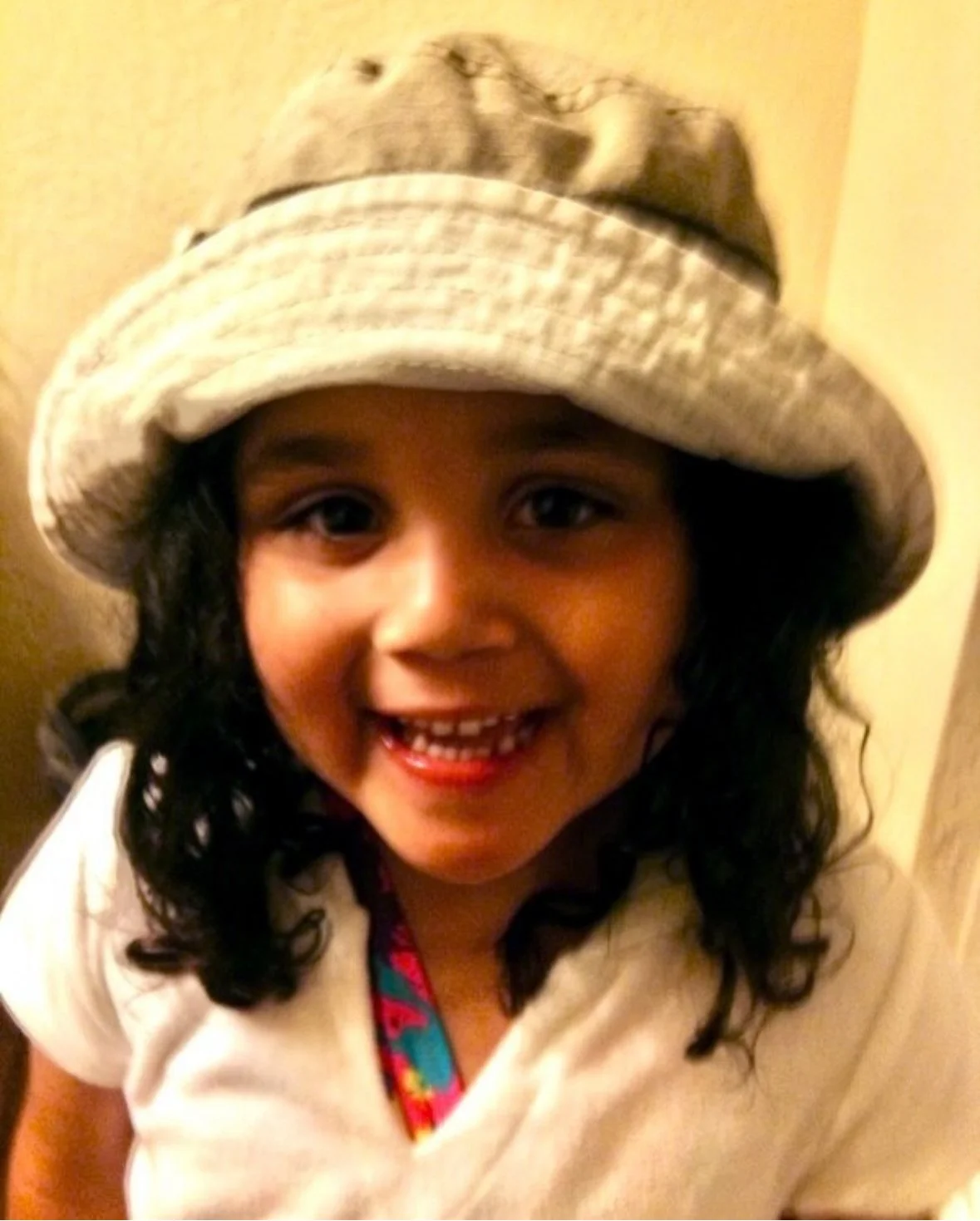
One of the only pictures I have of myself in Puerto Rico at six years old.
The last time I set foot in Puerto Rico, I was six years old. I don’t remember much, and I was only there for the wedding of a cousin of some sort. Despite being more “Nuyo-” rather than “-rican,” I always had pride in where I was from, always jumping at the chance to tell anyone who would listen that I was a special product of Latin America being Guatemalan and Puerto Rican. Maybe that pride or love became buried as I got older, but this album has certainly unleashed it. While this album might have been a homecoming for Bad Bunny after his years away from the island, it also felt like mine.